Wednesday, 2 July 2025

Encounters with the Large Tortoiseshell

 Since the Large Tortoiseshell (Nymphalis polychloros) re-established itself as a British breeding species in 2019/2020, I have only had one photographic encounter, back in 2020, following a tip-off from a friend.

 During the intervening years, I have regularly searched likely habitats in my local area during spring and summer but without any sightings.

I have always been an advocate of paying close attention to woodland habitats in my local area, especially during late June and July, when some of my favourite species are on the wing.

While the 'butterfly circus' had moved west for the Purple Emperor season, I was destined to enjoy some wonderful moments with polychloros, during the last week of June.


Large Tortoiseshell (Nymphalis polychloros)

The week started well when I spotted a probable male on the trackside just ahead of me. I was so pleased that my wife was with me to enjoy her first view of this species.


A few days later, I was alone and spotted an orange butterfly basking in the bracken. I held my breath as I made my approach and was soon holding my camera over a fresh female.


About 45 minutes later, in the same area, I spotted what I assumed was the same female settled with her wings closed. I enjoyed several minutes photographing what turned out to be a different female.


Monday, 23 June 2025

Return to Ashdown Forest

 Ashdown Forest is a wonderful area of high heathland in the north-west corner of East Sussex. It is a landscape that I have walked over many years and know well.

It has been a few years since I last caught up with the Silver-studded Blue and the other heathland species to be found there but I have made good use of the fine June weather during the last couple of weeks.


Silver-studded Blue (Plebejus argus)

This attractive little butterfly is a heathland specialist and within East Sussex, it is only found on Ashdown Forest.

(males)


As with some other species of blue butterflies, the females are mainly brown but with varying amounts of blue pigment in their wings. The first image shows a fairly typical female. The female in the second image is displaying rather attractive sub-marginal blue markings in the form of  inward facing darts.


Several species of day-flying moths can be numerous but tricky to photograph, as they invariably drop into the heather and gorse to hide.


Clouded Buff (Diacrisia sannio) (male)


Grass Wave (Perconia strigillaria) (female)


Common Heath (Ematurga atomaria atomaria) (female)


Grass Emerald (Pseudoterpna pruinata atropunctaria)


Here are some plants that specialise in acid heath.


Early Marsh Orchid (Dactylorhiza incarnata ssp. pulchella)


Heath Spotted Orchid (Dactylorhiza maculata)


Common Sundew (Drosera rotundifolia)


Bog Asphodel (Narthecium ossifragum)


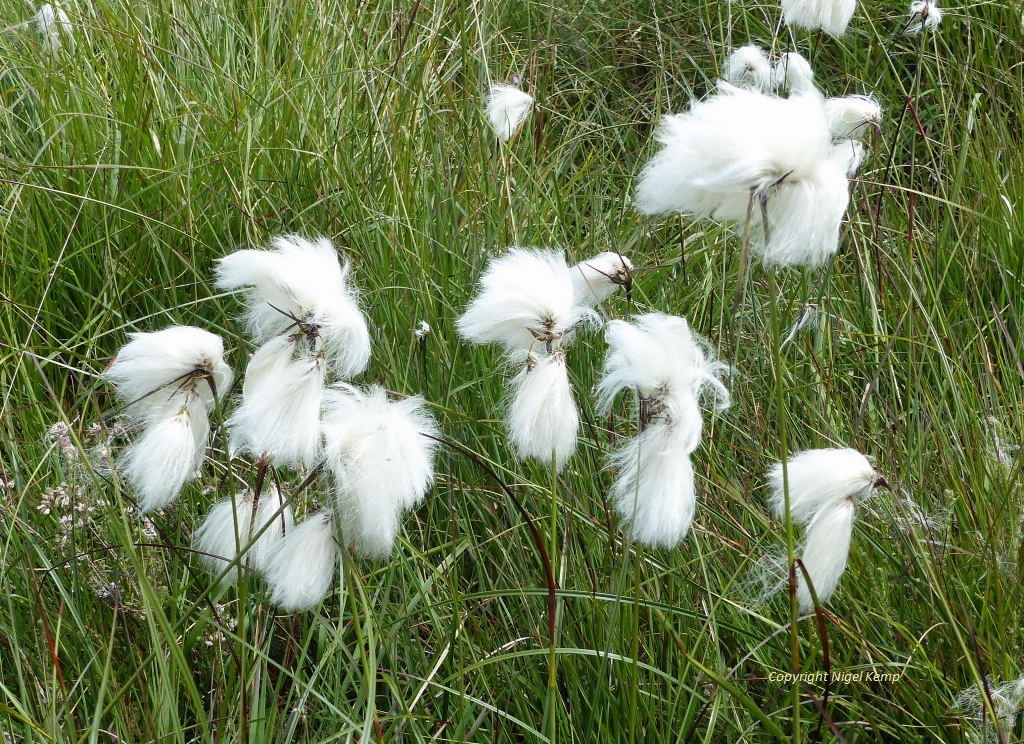
Common Cotton-grass (Eriophorum angustifolium)


 Camp Hill is one of the high points on Ashdown Forest, at 198 metres (643 feet) above sea level.


Monday, 9 June 2025

Some Moths during May

 With news from several online sources, that there has been a large migration of Striped Hawkmoths (Hyles livornica) arriving in Britain from the continent in recent weeks, I have been putting the moth-trap out on most suitable nights during the latter half of May.

Being sixteen miles inland from the south coast, the chances of attracting one of these beauties are slim but I have started to see a couple of resident hawkmoth species coming to the garden light. 

Here is a collection of moths that have visited my garden during May.


Poplar Hawkmoth (Laothoe populi) 


Eyed Hawkmoth (Smerinthus ocellata)


Puss Moth (Cerura vinula)


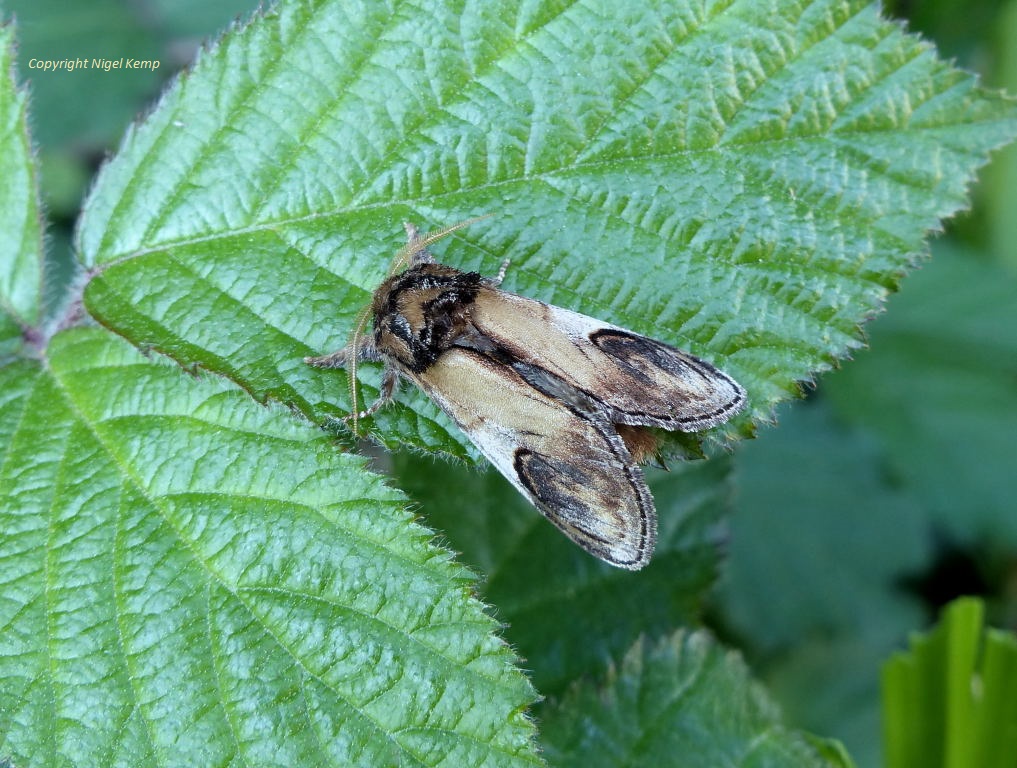
Alder Kitten (Furcula bicuspis)


Pebble Prominent (Notodonta ziczac)


Coxcomb Prominent (Ptilodon capucina)


Marbled Brown (Drymonia dodonaea)


Buff-tip (Phalera bucephala)


Pale Tussock (Calliteara pudibunda)

(male, form concolor)


(female)


White Ermine (Spilosoma lubricipeda)


Cinnabar (Tyria jacobaeae)


Least Black Arches (Nola confusalis)


Common Swift (Hepialus lupulinus) (male)


Garden Pebble (Evergestis forficalis)


Garden Carpet (Xanthorhoe fluctuata)


Common Marbled Carpet (Chloroclysta truncata)


Grey Pine Carpet (Thera obeliscata)


May Highflyer (Hydriomena impluviata)


Yellow-barred Brindle (Acasis viretata)


Sharp-angled Peacock (Macaria alternata)


Pale Oak Beauty (Hypomecis punctinalis)


Brussels Lace (Cleorodes lichenaria)


Light Emerald (Campaea margaritata)


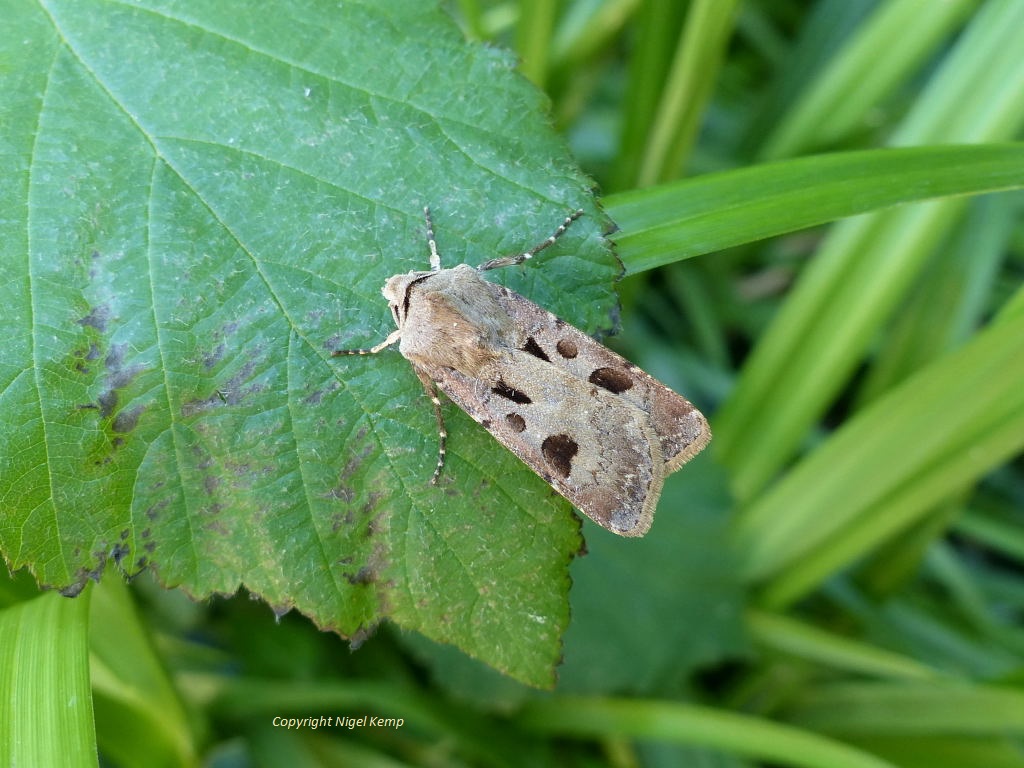
Heart and Dart (Agrotis exclamationis)


Ingrailed Clay (Diarsia mendica mendica)


Bright-line Brown-eye (Lacanobia oleracea)


Delicate (Mythimna vitellina)


Toadflax Brocade (Calophasia lunula)


Alder Moth (Acronicta alni)


Marbled White Spot (Protodeltote pygarga)


Green Silver-lines (Pseudoips prasinana britannica)