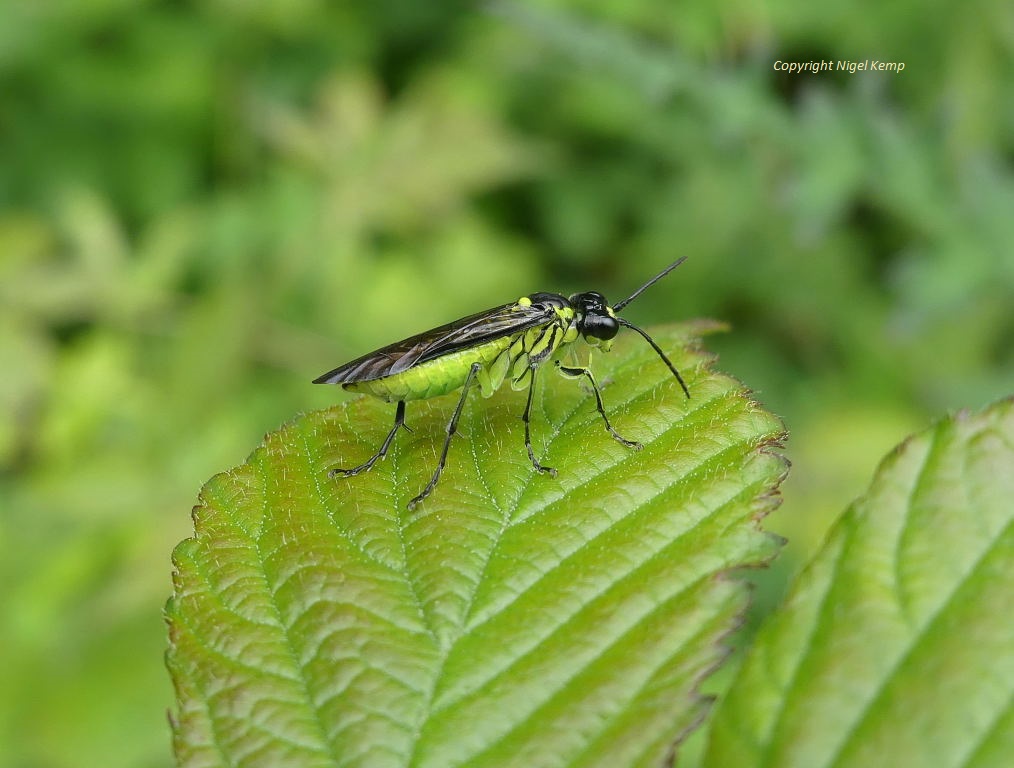
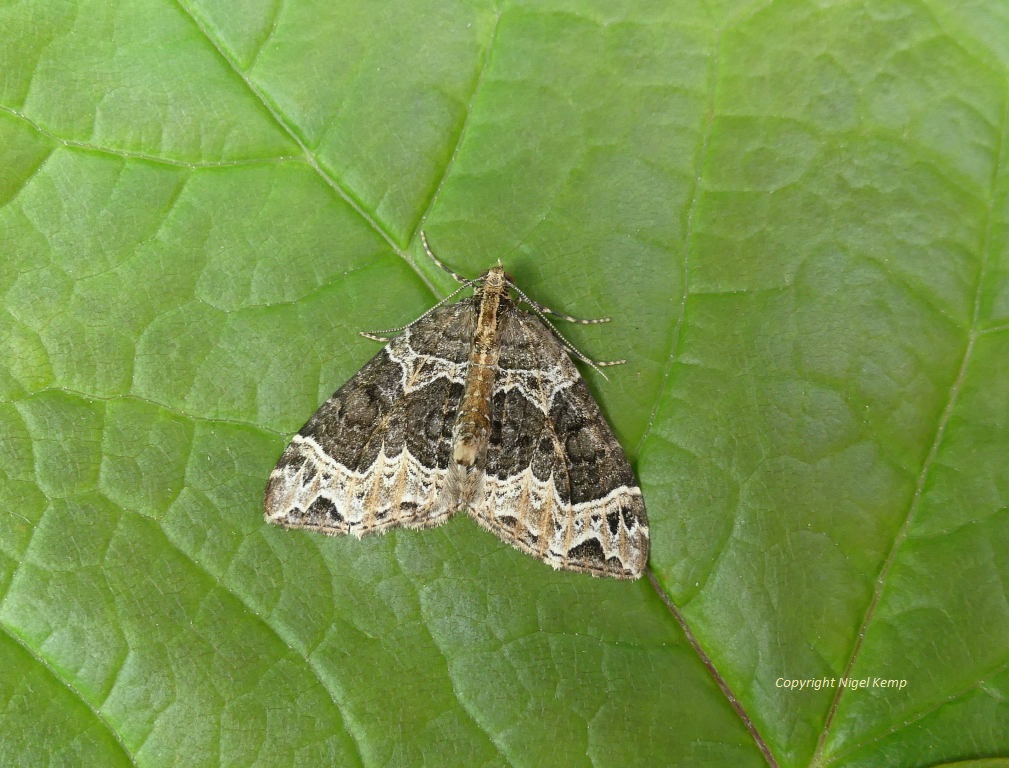
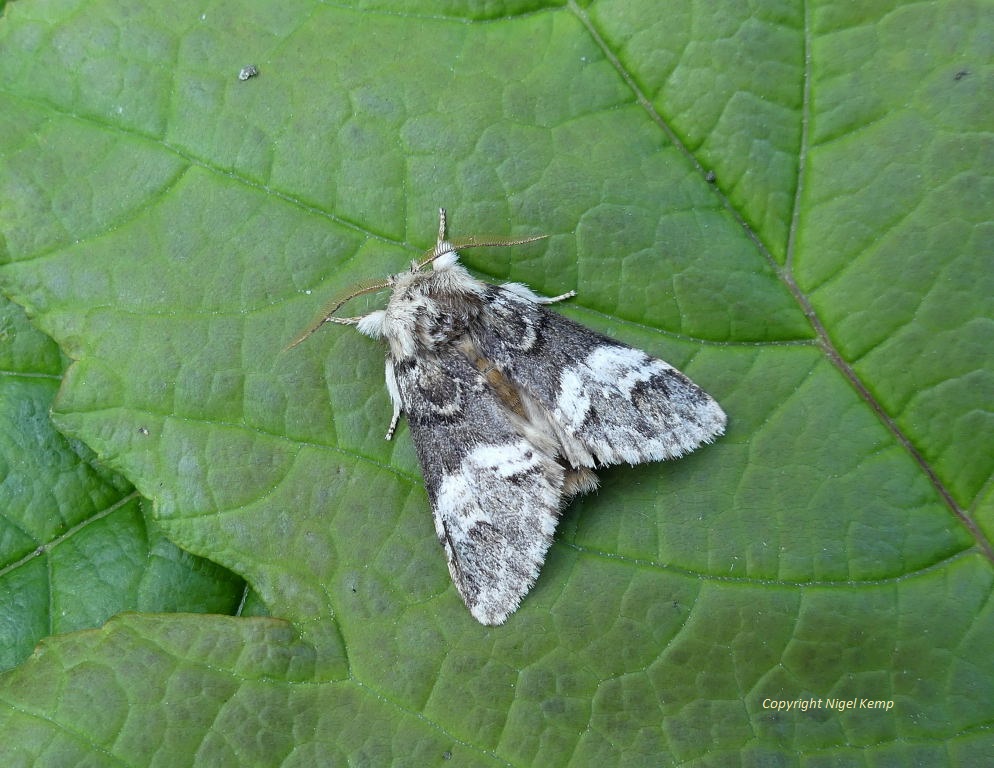
By way of a catch-up, here are some images of moths that I took during June. Most are as a result of moth trapping but I regularly encounter moths during the daytime when out walking.
Elephant Hawkmoth (Deilephila elpenor)
%20Elephant%20Hawkmoth%20(27)%2025.6.2022%20Heathfield_%20East%20Sussex.%20Nigel%20Kemp0001.JPG)
Privet Hawkmoth (Sphinx ligustri) (mating)
(I very rarely venture out without my camera but on this occasion I had to resort to my wife's phone for a picture)
%20Privet%20Hawkmoth%20(24)%20(mating)%2020.6.2022%20Walderton_%20West%20Sussex.%20Nigel%20Kemp0001.JPG)
Lobster Moth (Stauropus fagi)
%20Lobster%20Moth%20(09)%2016.6.2022%20Heathfield_%20East%20Sussex.%20Nigel%20Kemp0001.JPG)
Drinker Moth (Euthrix potatoria) (larva at rest)
%20Drinker%20(08)%20(larva%20basking%20on%20bracken)%2010.6.2022%20Rowland%20Wood_%20East%20Sussex.%20Nigel%20Kemp0001.JPG)
Blood-vein (Timandra comae)
%20Blood-vein%20(08)%2016.6.2022%20Heathfield_%20East%20Sussex.%20Nigel%20Kemp0001.JPG)
Bordered Beauty (Epione repandaria)
%20Bordered%20Beauty%20(03)%2021.6.2022%20Abbot's%20Wood_%20East%20Sussex.%20Nigel%20Kemp0001.JPG)
Brussels Lace (Cleorodes lichenaria)
%20Brussels%20Lace%20(10)%2018.6.2022%20Heathfield_%20East%20Sussex.%20Nigel%20Kemp0001.JPG)
Miller (Acronicta leporina)
%20Miller%20(06)%2029.6.2022%20Heathfield_%20East%20Sussex.%20Nigel%20Kemp0001.JPG)
Dusky Brocade (Apamea remissa)
%20Dusky%20Brocade%20(02)%2025.6.2022%20Heathfield_%20East%20Sussex.%20Nigel%20Kemp0001.JPG)
Phoenix (Eulithis prunata)
%20Phoenix%20(03)%2023.6.2022%20Heathfield_%20East%20Sussex.%20Nigel%20Kemp0001.JPG)
Ptycholoma lecheana
(the egg on the same grass blade as the moth is probably that of a Speckled Wood butterfly)
%20Ptycholoma%20lecheana%20(03)%20(with%20probable%20Speckled%20Wood%20egg)%2028.5.2022%20Abbot's%20Wood_%20East%20Sussex.%20Nigel%20Kemp0001.JPG)
Prochoreutis sehestediana (or P.myllerana)
(this tiny moth is only 5mm. in length and is virtually impossible to follow in flight with the naked eye. No surprise that it is probably under recorded)
%20Prochoreutis%20sehestediana%20(01)%20(or%20P.myllerana)%2028.5.2022%20Abbot's%20Wood_%20East%20Sussex.%20Nigel%20Kemp0001.JPG)

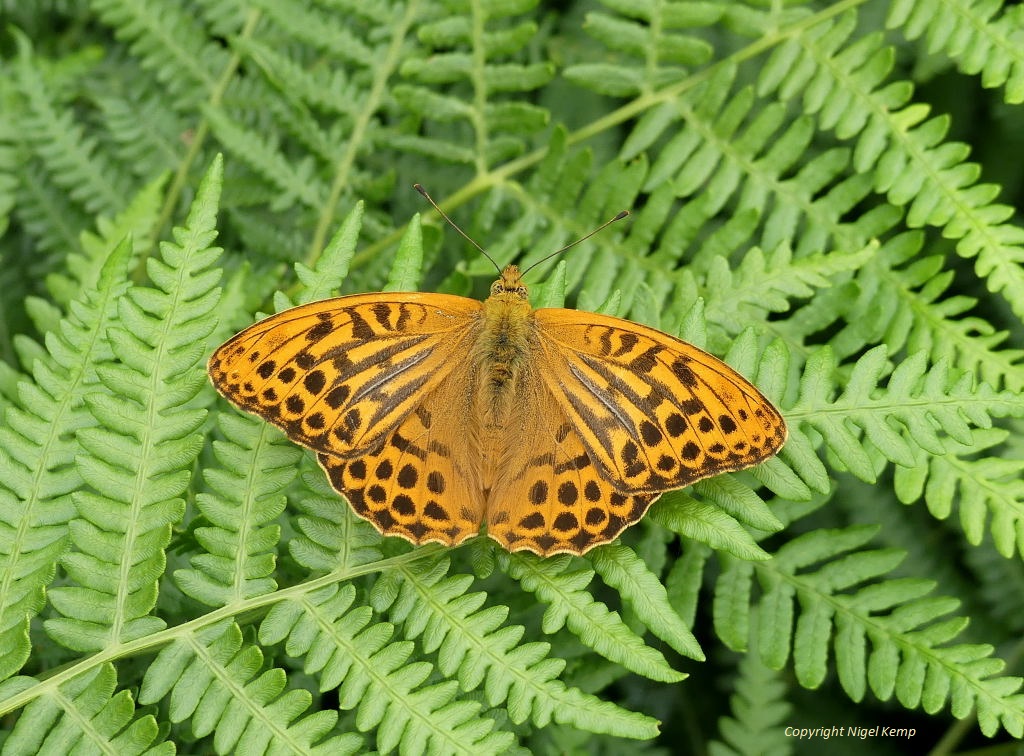


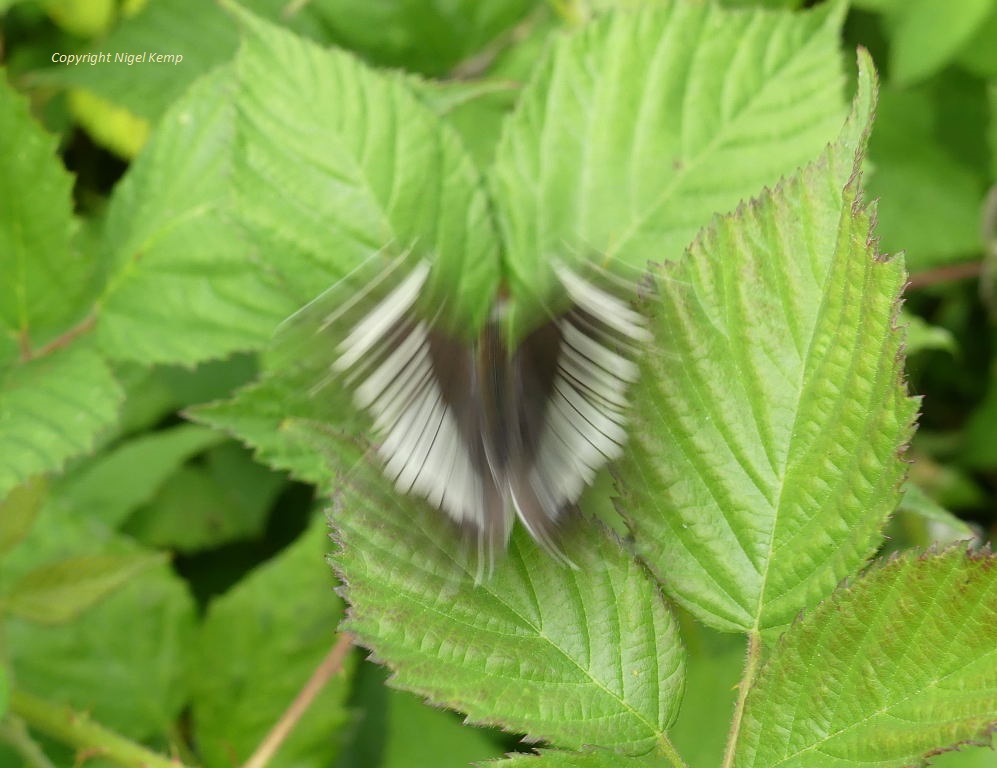


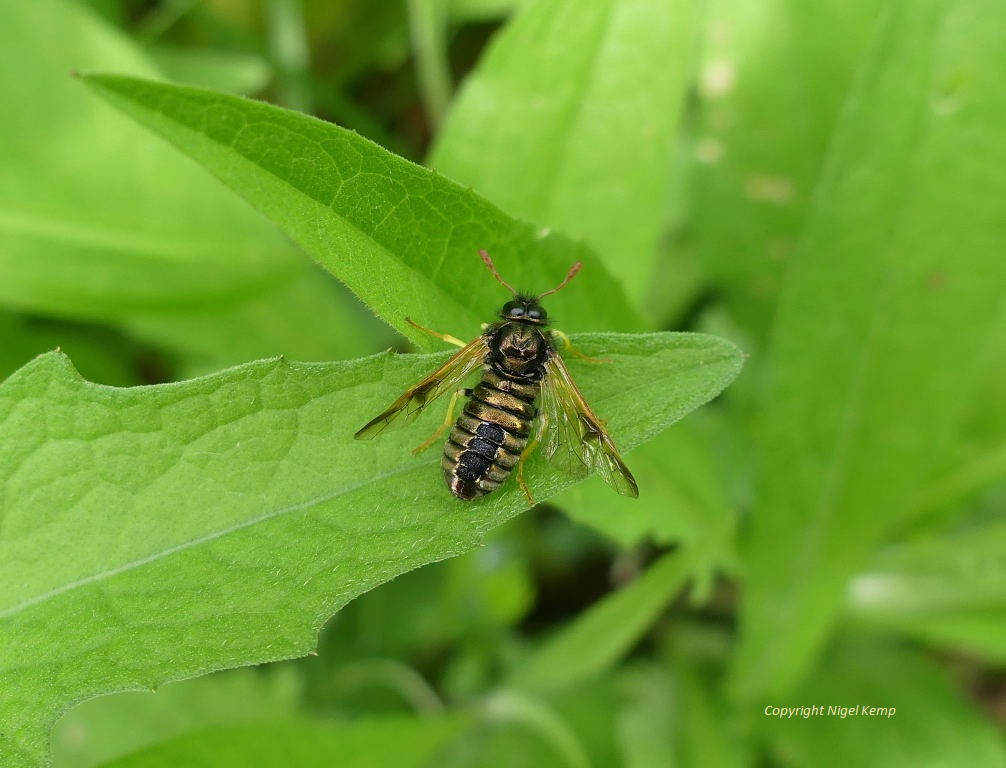


%20(02)%20(f)%2027.7.2020%20Rowland%20Wood_%20East%20Sussex.%20Nigel%20Kemp0001.JPG)