Monday, 30 May 2022

Some more Moths during May

 Over the last couple of weeks, multiple numbers of Striped Hawkmoths (Hyles livornica) and other migrant species have been turning up in moth-traps across Britain from the near continent, particularly in south western counties.

Ever hopeful, I have been putting my trap out on a regular basis but so far, no unusual visitors have touched down in my garden.

Here are some images of moths that have appeared at my light during the latter half of May.


Privet Hawkmoth (Sphinx ligustri)


Peppered Moth (Biston betularia


Peppered Moth (B. betularia) (form insularia)


Red Twin-spot Carpet (Xanthorhoe spadicearia)


Sharp-angled Peacock (Macaria alternata)


Garden Carpet (Xanthorhoe fluctuata)


Small Phoenix (Ecliptopera silaceata)
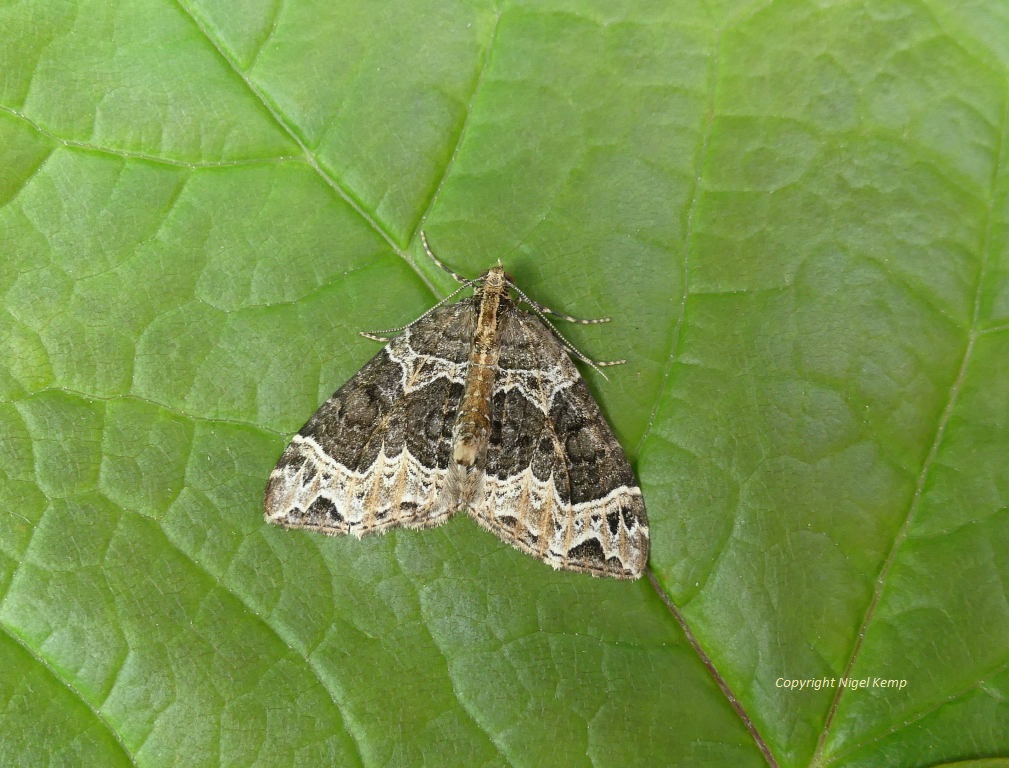


Yellow-barred Brindle (Acasis viretata)


Light Emerald (Campaea margaritata)


Small Magpie (Anania hortulata)


Marbled Brown (Drymonia dodonaea)
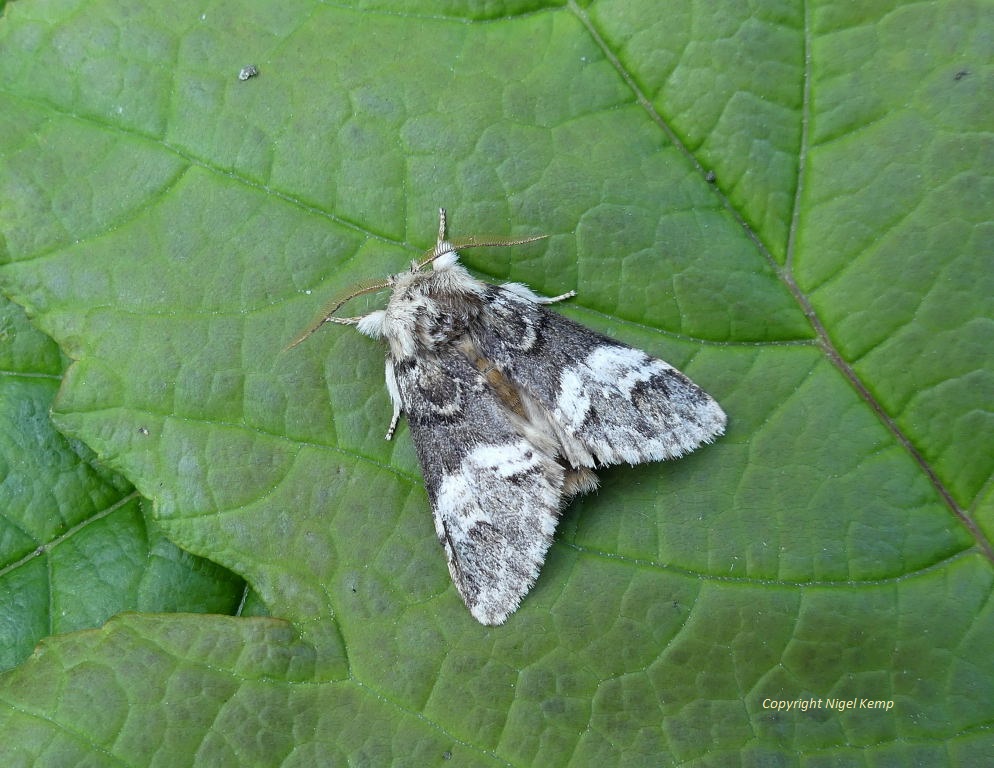


Treble Lines (Charanyca trigrammica) (form obscura)


Sunday, 22 May 2022

Pearl-bordered Fritillary

One of my favourite butterfly moments of any spring is seeing my first male Pearl-bordered Fritillary (Boloria euphrosyne) patrolling low over the flowers of a woodland glade, looking for females. 

However, the first euphrosyne that I saw this year was a fresh female conveniently posing on a bluebell. 

Here are some images of that moment as well as photographs of some other spring species.


Pearl-bordered Fritillary (Boloria euphrosyne) (female)


Speckled Wood (Pararge aegeria) (male)


Large White (Pieris brassicae) (female)


Green-veined White (Pieris napi) (female)


Thursday, 12 May 2022

Some Moths in Early May

 For the last few weeks, I have been busy finishing my winter work in the wood. This mainly entails clearing up uprooted rhododendrons and stacking bonfires ready for the autumn. It will soon be too hot for labouring and I can catch up with butterflies and moths that are now on the wing.

Here are a few images of some of the moths that I have encountered over the last couple of weeks.


Great Prominent (Peridea anceps)


Buff-tip (Phalera bucephala)


Square Spot (Paradarisa consonaria)


Sharp-angled Carpet (Euphyia unangulata)


Chinese Character (Cilix glaucata)


Speckled Yellow (Pseudopanthera macularia)


Sunday, 24 April 2022

Some Moths during April

 This April has been rather dry, with some reasonably mild night-time temperatures and I have managed to put the moth-trap out on numerous occasions. 

Although moth numbers have continued to be quite low, the variety of species has started to increase and here are a few images of moths that have been attracted to the trap during April.


Brindled Beauty (Lycia hirtaria) (male)


Pale Tussock (Calliteara pudibunda) (male)


Muslin Moth (Diaphora mendica) (male)


Brimstone Moth (Opisthograptis luteolata)


White-spotted Pug (Eupithecia tripunctaria)


Powdered Quaker (Orthosia gracilis)


Nut-tree Tussock (Colocasia coryli)


Frosted Green (Polyploca ridens)


Pale Pinion (Lithophane hepatica)


Least Black Arches (Nola confusalis)


Tuesday, 5 April 2022

Mandarin Duck

 We have just returned from a weekend away with friends in the New Forest. The weather was beautifully sunny, but just a little too cool and breezy to see any butterflies on the wing.

However, a Sunday morning walk into the forest provided some interesting moments.

The Mandarin Duck (Aix galericulata) is an introduced species from East Asia and has successfully established itself in southern England, largely as an escapee from ornamental collections. I rarely pay them much attention when I see them on village ponds but in their wild state they are a woodland duck, nesting in tree holes. With its mature trees and network of shallow, gravel-bottomed streams, the New Forest offers the Mandarin Duck plenty of ideal habitat to breed in.


Mandarin Duck (Aix galericulata) (male)


(female)


Later on my walk, I came across a Nuthatch nest hole high up on an oak trunk. I sat and watched for about 20 minutes as the occupant busily sculpted the entrance with mud to its desired specifications.


Nuthatch (Sitta europaea) (at nest hole)


Wednesday, 30 March 2022

Moths in Early Spring

After a very slow start to the year with regard to moth numbers attracted to the garden moth-trap, the mild and sunny weather over the last couple of weeks has seen a modest increase in their numbers. 

As is usual with moth-trap catches at this time of year, the great majority of moths attracted to the light are of the Orthosia family. They quickly become warn and uninteresting with age but are rather smart when freshly emerged.


Hebrew Character (Orthosia gothica)


Small Quaker (Orthosia cruda)


Common Quaker (Orthosia cerasi)


Clouded Drab (Orthosia incerta)


Early Grey (Xylocampa areola)


Oak Beauty (Biston strataria)


Small Brindled Beauty (Apocheima hispidaria)


Streamer (Anticlea derivata)